Foundations of Blending
A six-module introduction covering dry herb ratios, infusion timing, and flavor balance. Suitable for beginners who want a methodical starting point.
Beginner LevelBonebios shares structured educational content about herbal tea preparation, ingredient selection, and blending techniques. Our materials are designed for home enthusiasts who value clarity, botanical context, and practical kitchen skills. All published content is informational and culinary in scope.
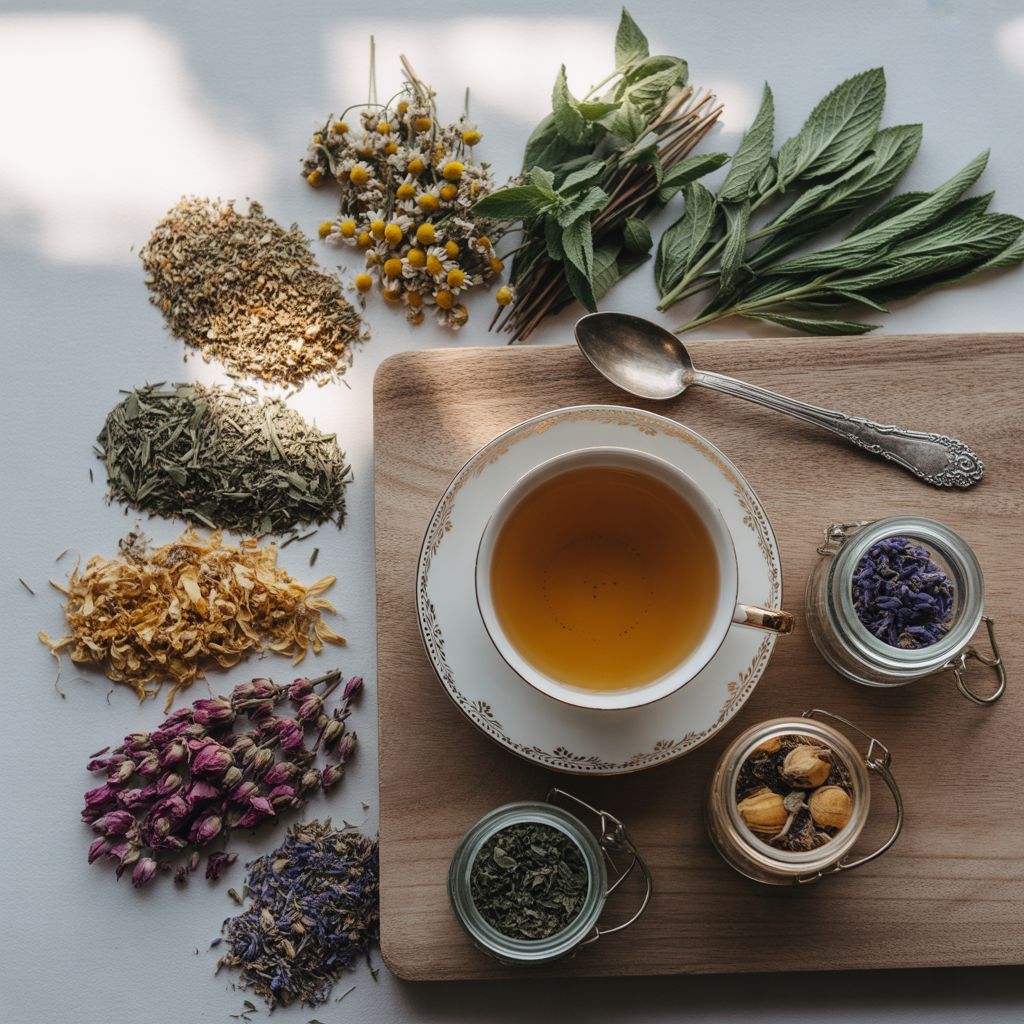
Educational Focus
Open Library
Herbal tea craft develops through a combination of theory and hands-on experimentation. Each guide on bonebios.world walks through measurable steps — water temperature, steeping duration, and proportion ratios — so you can reproduce results consistently in your own kitchen.
Content published here reflects years of home brewing experience and ongoing study of botanical literature. We present information in accessible language without overstating outcomes or making health-related assertions.
Herb Category Guides
Brewing Method Guides
Seasonal Recipe Collections
Choose a program that matches your current skill level. All offerings are informational and focused on kitchen education.
A six-module introduction covering dry herb ratios, infusion timing, and flavor balance. Suitable for beginners who want a methodical starting point.
Beginner LevelQuarterly collections aligned with Nordic growing cycles. Learn how local availability influences ingredient choices and storage considerations.
Intermediate LevelConsulting sessions where we help you design custom tea combinations based on your taste preferences and kitchen setup. Plans are educational and focused on flavor — not health outcomes.
Guidance ServiceSwedish landscapes offer distinctive botanical varieties — from chamomile meadows in Skåne to wild mint along coastal paths. Understanding regional character helps you select herbs that complement your preferred flavor profile.
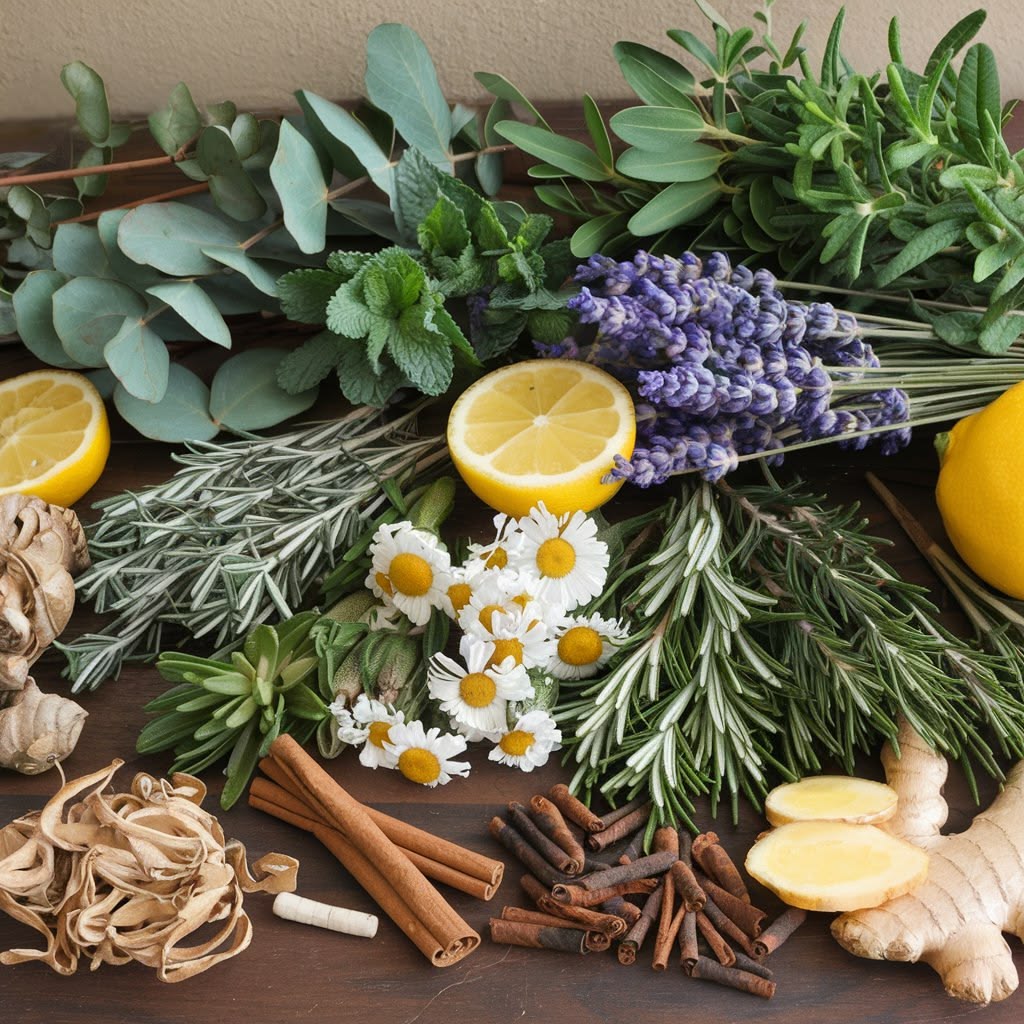
Follow this sequence to develop repeatable results with any herbal blend.
Use a kitchen scale for dry herbs. A standard starting ratio is one teaspoon per 250 ml of water, adjusted based on leaf density and personal preference.
Delicate flowers are typically steeped at 85–90°C. Hardy roots and bark are often prepared with brief boiling. Document temperatures to refine your process over time.
Most leaf-based infusions reach peak flavor between five and eight minutes. Longer steeping can intensify bitterness in certain botanicals.
Keep a simple tasting journal noting proportions, timing, and sensory impressions. Small adjustments compound into a personalized repertoire.
01
We describe where ingredients typically originate and what quality markers to look for when purchasing dried herbs.
02
Our writing avoids sensational language. We focus on flavor, aroma, preparation technique, and cultural context.
03
Content references local suppliers, seasonal availability, and storage conditions suited to Scandinavian climates.
04
Workshop participants share observations and recipe variations, creating a collaborative knowledge base for all attendees.
Winter
Warm spice blends, dried citrus peel
Spring
Fresh nettle, young mint shoots
Summer
Elderflower, rosehip preparations
Autumn
Apple mint, dried berry infusions
Bonebios operates as an educational publisher based in Stockholm, Sweden. All website materials follow a strict editorial policy aligned with Swedish marketing transparency requirements.
Bonebios is a Stockholm-based educational content provider. Our team publishes original guides on herbal tea preparation for home kitchen use. Company contact details are listed below and remain accessible on every page of bonebios.world.
Every article is reviewed for factual accuracy in preparation technique and ingredient description. We remove language that could be interpreted as health claims. Our Terms of Use and Privacy Policy define how we operate under Swedish and EU law.
Explore our recipe library or reach out with questions about educational programs and blending guidance.
Get in Touch